Numb fingertips. Letters that no longer come out right. A foot that catches on every step. These may be warning signs from your cervical spine.
Cervical spine specialist Wataru Narita provides continuity from diagnosis and treatment selection through postoperative life.
approx. 3 cmincision30–40 minoperating timeapprox. 20 gblood loss
The Center Director performs every operation. After assessing each patient's pathology and general health, the team aims for mobilization from the day after surgery.
Are any of these symptoms
starting to wear you down?
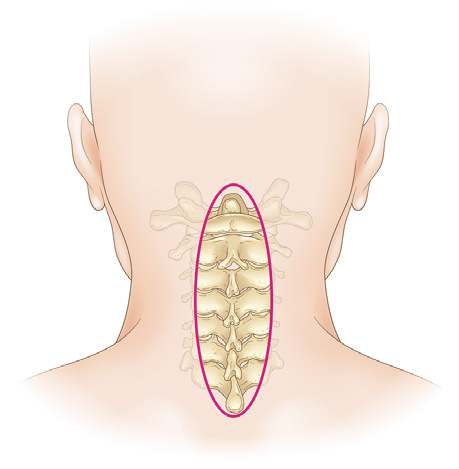
The cervical spine is the corridor through which the brain communicates with your arms and legs.
When the following signs persist, the nerves running through that corridor may be under pressure.
01
Numbness in the hands or fingers
Numbness in the thumb–middle finger or in the small-finger side. Difficulty writing, fastening buttons, or using chopsticks.
02
Pain in the neck, shoulder, or arm
A sharp, one-sided arm pain that strikes even at rest. A persistent heaviness around the shoulder blade.
03
Unsteady gait or stumbling
Feet getting tangled, catching on small steps, an inability to walk far. More frequent falls.
04
Loss of fine motor control
Trouble operating a smartphone, dropping pens, fingers that feel awkward and clumsy.
05
Symptoms that progress over time
Over six months or a year, the list of things you can no longer do keeps growing.
06
Surgery has been recommended elsewhere
— but you cannot bring yourself to commit. You want a second opinion from another specialist.
※ Not every symptom originates in the cervical spine. A correct diagnosis requires both MRI imaging and a detailed specialist examination.
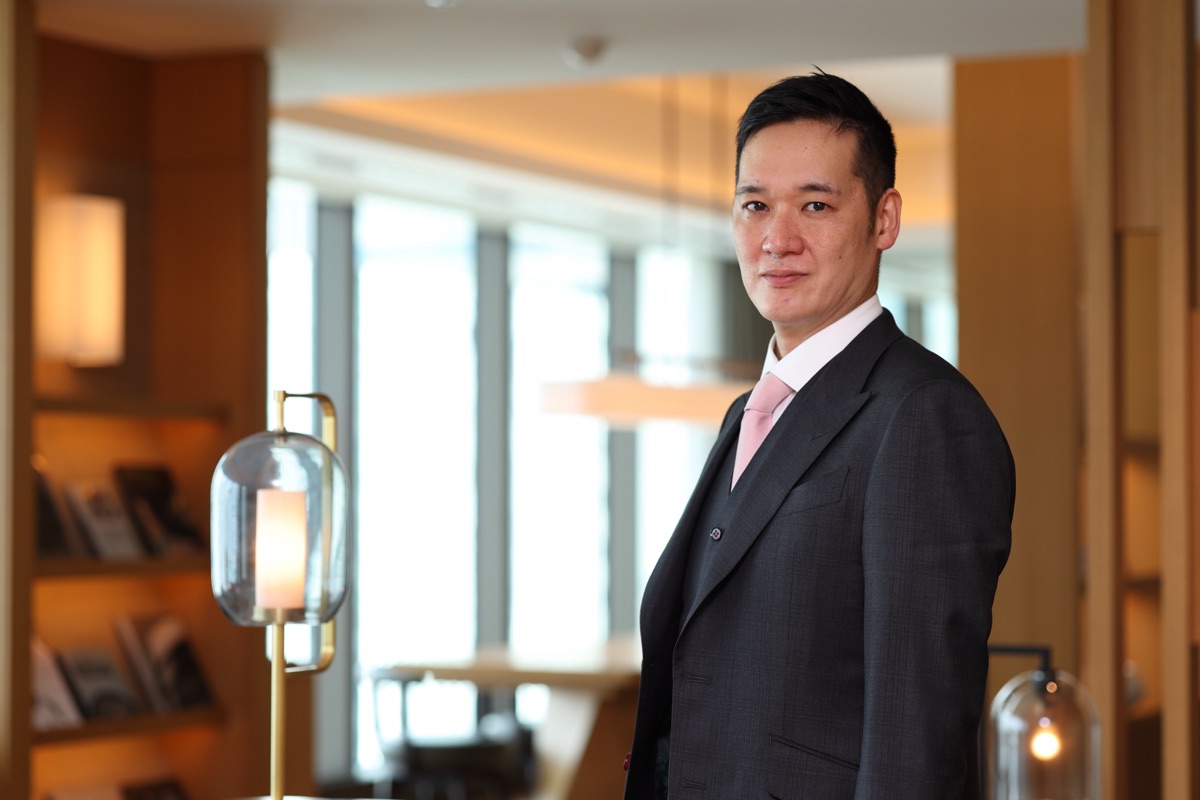
Wataru NaritaWataru Narita, M.D., Ph.D.
M.D., Ph.D.
Kyoto Prefectural University of Medicine (2017)
Medical degree
Jichi Medical University (2003)
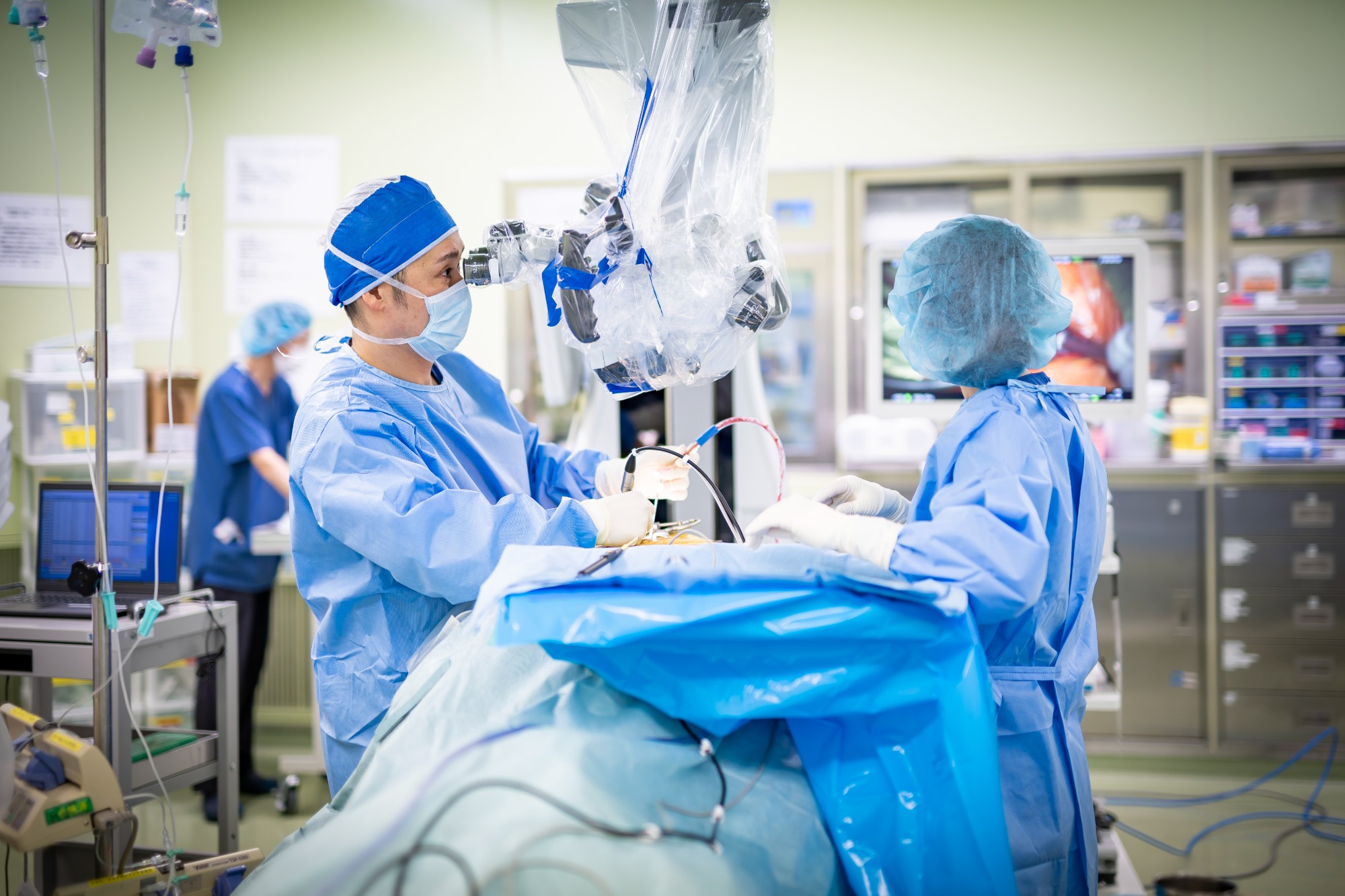
In the operating roomSpine Center, Kameoka Municipal Hospital / Microscopic intraoperative cervical OPERA
02 / Doctor
Wataru NaritaWataru Narita, M.D., Ph.D.
Director, Spine Center, Kameoka Municipal Hospital / Senior Instructor in Spine and Spinal Cord Surgery
After graduating from Jichi Medical University in 2003, Dr. Narita trained in spine surgery at regional hospitals across northern Kyoto, serving at Kyotango Municipal Kumihama Hospital, Kyoto Chubu Medical Center, and as Director of the Spine and Spinal Cord Center at Midorigaoka Hospital.
He earned his M.D., Ph.D. from Kyoto Prefectural University of Medicine Graduate School in 2017, and in
2018 founded the Spine Center at Kameoka Municipal Hospital, becoming the referral hub for patients across Kyoto, Hokusetsu, and the Tamba region.
His clinical focus is Minimally Invasive Spine Therapy (MIST), centered on cervical spine surgery.
He has systematized open-door cervical laminoplasty designed around a 3 cm incision (MS-LAP / MIST-OPERA),
and has experience in approximately 5,000 spine operations over his career.※2
Kameoka Municipal Hospital reports 374 spine surgeries in 2025, including 350 cervical procedures; as Center Director, Dr. Narita was responsible for every case.※1
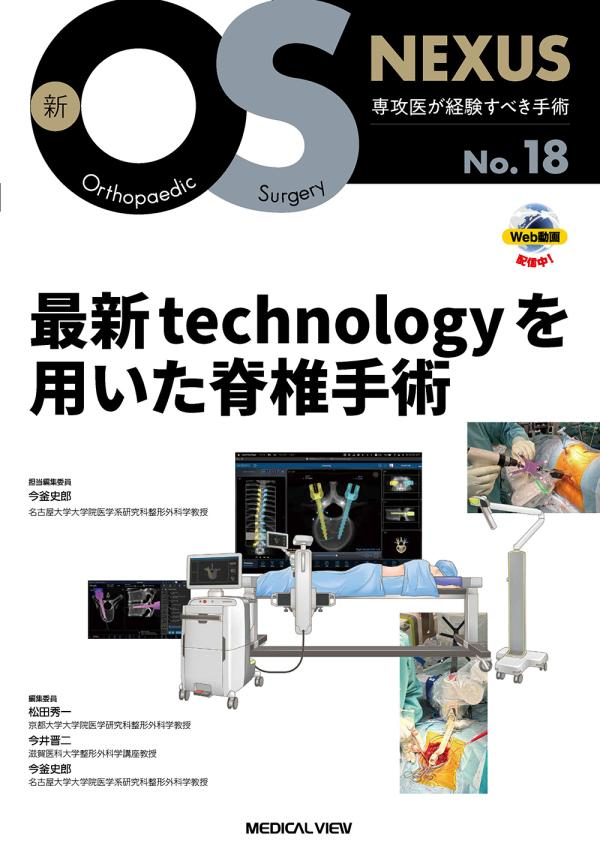
In 2026, his technique was published as a chapter in
"New OS NEXUS No.18" (Medical View Co., Ltd.), edited by faculty from Nagoya University, Kyoto University, and Shiga University of Medical Science.
Since 2016, Dr. Narita has served as advisor and evangelist to Holoeyes Inc., leading clinical implementation of XR (VR/AR/MR), metaverse, and AI-based spine-surgery support technologies.
His recent international presentations cover intraoperative navigation with the Apple Vision Pro, exoscope-assisted minimally invasive cervical laminoplasty, and remote surgical mentoring through the Holoeyes MD metaverse.
His international conference presentations span more than 30 appearances across eight Asian regions, including Japan.
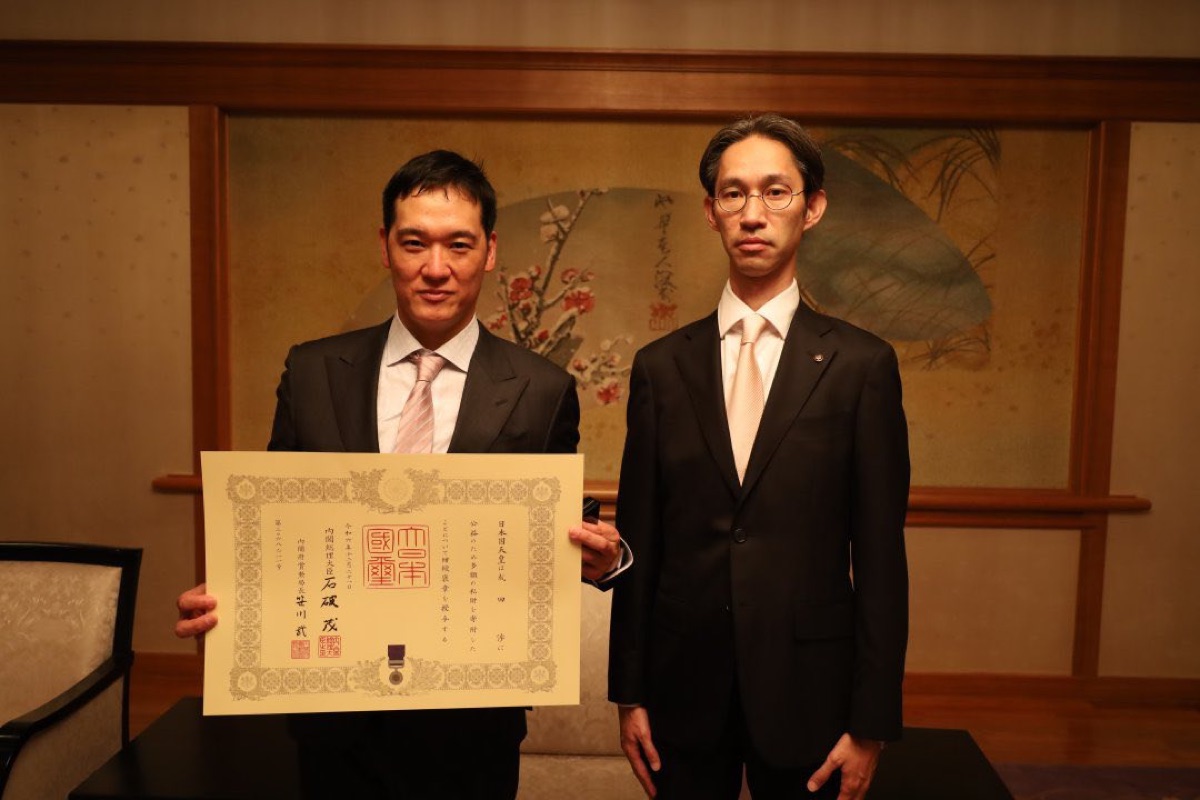
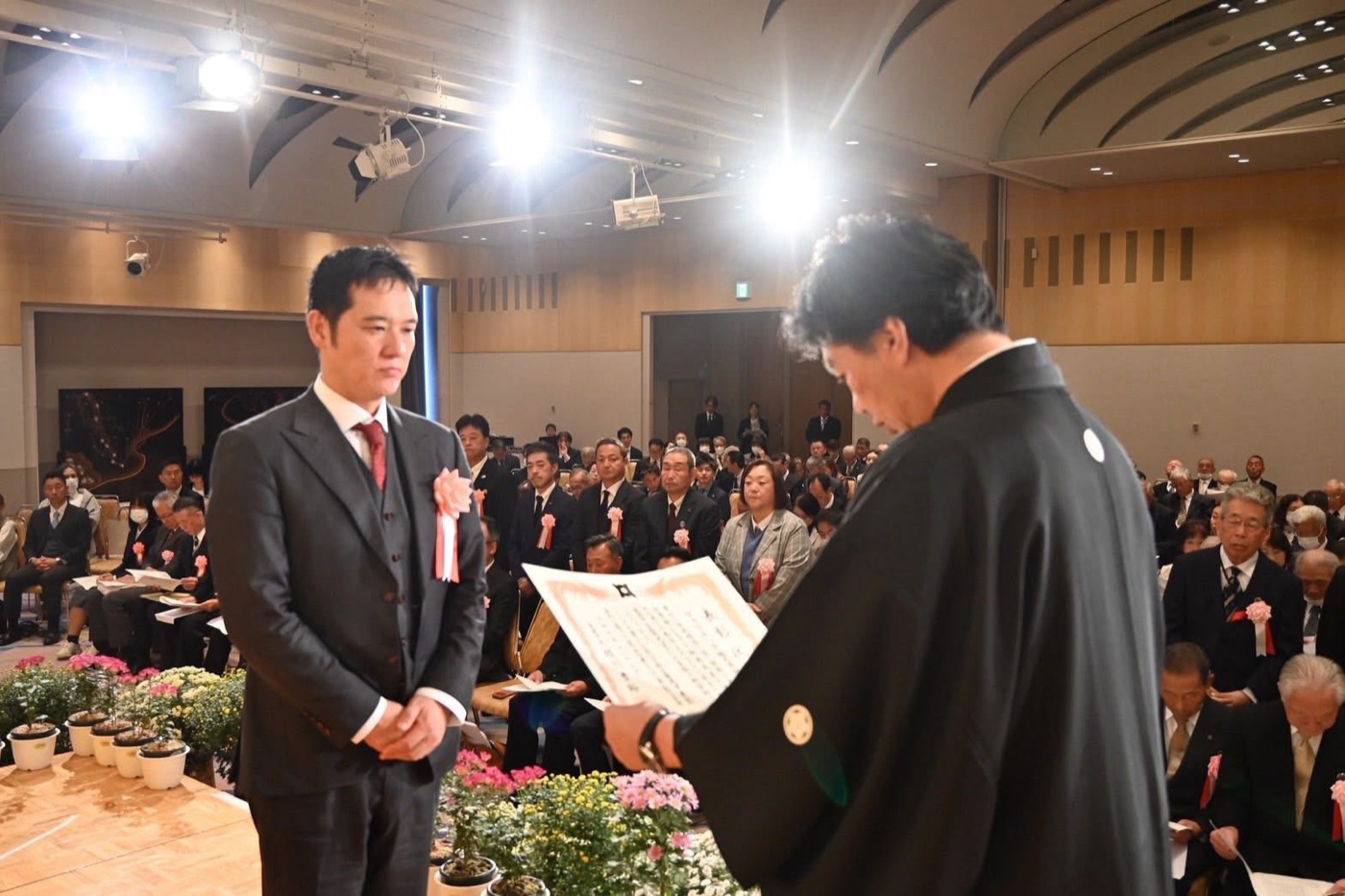
Alongside clinical care and research, he supports public-interest initiatives. In recognition of public-interest contributions through a donation to the Japanese Red Cross Society, he received the Medal with Dark Blue Ribbon (Konju Hosho) in July 2025.
FORTEC Co., Ltd., which he represents, was also listed by Kameoka City as a benefactor in 2024 and 2025 for its continuing donations.
He will serve as President of the 16th Annual Meeting of the Society for Minimally Invasive Spine Therapy (MIST 2026 / Spine Week Japan 2026).
M.D., Ph.D., Kyoto Prefectural University of Medicine (2017) / Jichi Medical University, M.D. (2003)
Board-Certified Specialist, Japanese Orthopaedic Association / Senior Instructor, Japanese Society for Spine Surgery and Related Research (Spine and Spinal Cord Surgery)
Japanese Society for Spinal Instrumentation: Public Relations Chair, Education Committee, Councilor
Japan Society for Minimally Invasive Spine Surgery (JASMISS): Steering Committee Member
ISASS Asia-Pacific Section: Director / Society for Minimally Invasive Spine Therapy (MIST): Director
Japan Council on Cervical Laminoplasty: Representative Coordinator / Japanese Society of Computer Assisted Orthopaedic Surgery: Coordinator
President, 16th Annual Meeting of the Society for Minimally Invasive Spine Therapy (2026)
Holoeyes Inc.: Advisor / Evangelist (2016–)
Medal with Dark Blue Ribbon, July 2025, for public-interest contributions through a donation to the Japanese Red Cross Society
Representative Director, FORTEC Co., Ltd. / Continuing donations to Kameoka City (listed as a benefactor in 2024 and 2025)
Developer of the proprietary "MIST-OPERA" technique / Custom-designed dedicated diamond drill
Textbook chapter author: New OS NEXUS No.18 — "Open-Door Cervical Laminoplasty Through a 3 cm Incision"
The day you come in is not necessarily the day of surgery.
Start by understanding where your cervical spine actually stands. That is enough for the first visit.
— Wataru Narita
Awards & Recognition
July 2025 — Medal with Dark Blue Ribbon
/ Extending value beyond clinical care and back to the community.
Dr. Narita received the Medal with Dark Blue Ribbon in July 2025 for
public-interest contributions through a donation to the Japanese Red Cross Society.
FORTEC Co., Ltd., which he represents, continues to support Kameoka City and was listed in the city's public information as a benefactor in 2024 and 2025.
These initiatives return value created through clinical care to regional medicine, culture, and future generations.
Medal with Dark Blue Ribbon / 2025Continuing donations to Kameoka City by FORTEC / Listed as a benefactor in 2024 and 2025
02.5 / Research & Global Reach
From Japan to the world,
delivering the 3 cm technique.
The 3 cm minimally invasive technique, performed in 30–40 minutes, has been invited to major societies across the Asia-Pacific
and codified as a textbook chapter.
Dr. Narita is committed to sharing and continually validating this technique beyond the walls of his own hospital.
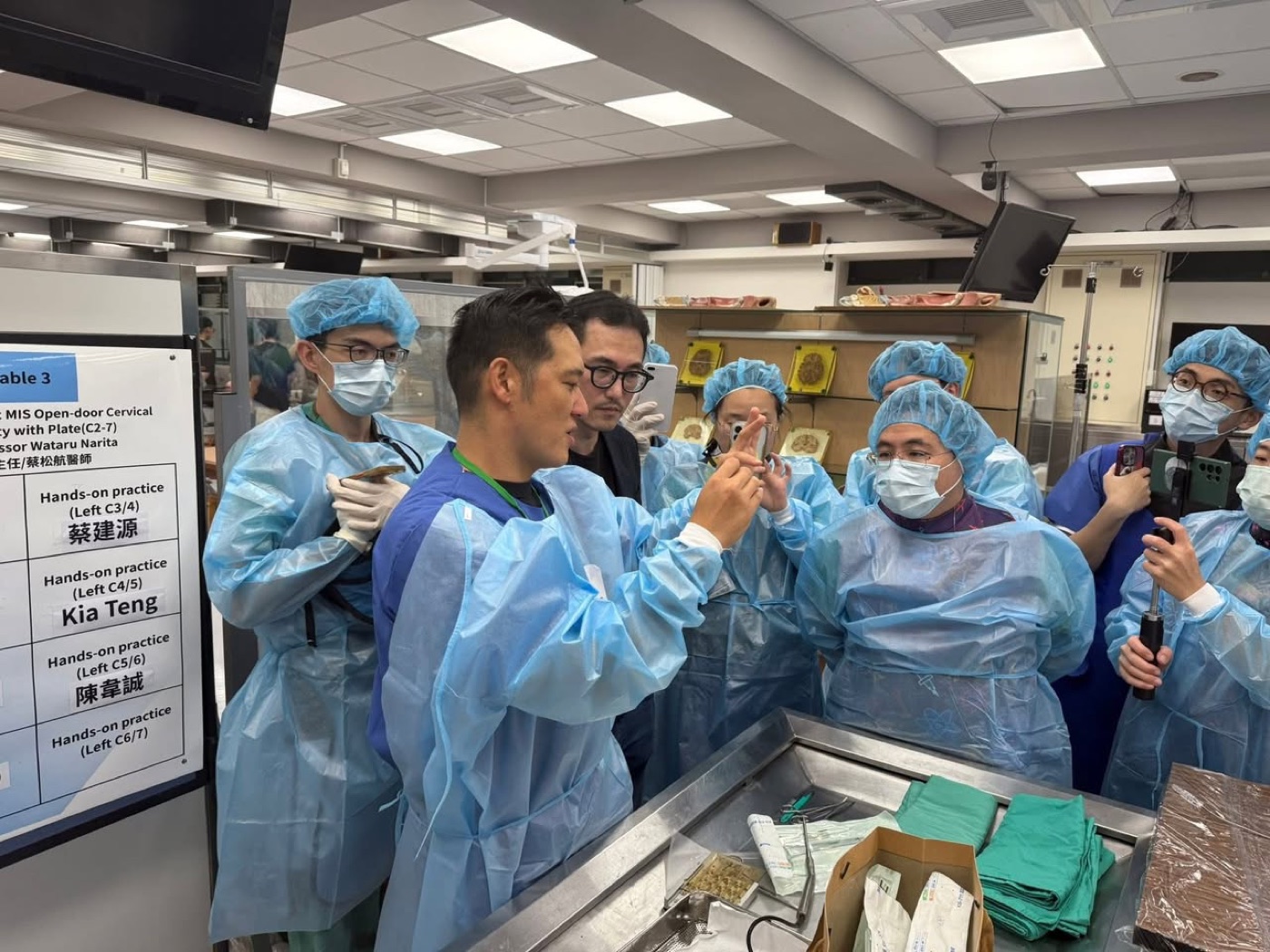
Cadaver Workshop / Taiwan
“Table 3 ― MIS Open-door Cervical Laminoplasty with Plate (C2–C7) / Professor Wataru Narita”
Dr. Narita conducts hands-on cadaveric instruction for international spine surgeons,
transferring the reproducibility of MIST-OPERA directly through technique demonstration.
Asian regions where conference presentations have been delivered (30+ total / 2023–2026, including Japan)
🇯🇵Japan
🇰🇷Korea
🇹🇼Taiwan
🇭🇰Hong Kong
🇨🇳China
🇹🇭Thailand
🇲🇾Malaysia
🇮🇩Indonesia
※ International talks 2023–2026: 2 special invited lectures, 19 symposium presentations, and 9 general presentations (30+ total).
Venues include ICCL / ISASS AP / SMISS AP / ThaiSMISST / APSS-APPOS-MSS / KOMISS / PASMISS / ISMISS.
Textbook Chapter
"Open-Door Cervical Laminoplasty Through a 3 cm Incision"
Co-authored by Kentaro Yamane and Wataru Narita
Edited by Shuichi Matsuda, Shinji Imai, and Shiro Imagama "New OS NEXUS No.18 — Spine Surgery Using the Latest Technology"
Medical View Co., Ltd. / Published 2026 / pp. 156–167
MIST-OPERA, the proprietary cervical technique, has been codified as a procedural manual.
In a definitive textbook on spine-surgery technology supervised by editors from Nagoya University, Kyoto University, and Shiga University of Medical Science,
it is presented as a procedure trainees "should experience" during residency.
Major Invited Talks 2025–2026
🇭🇰 Hong Kong
Future Perspectives & Clinical Challenges of XR Spine Surgery with Apple Vision Pro
International Congress on Cervical Laminoplasty (ICCL 2026) Special Invited Lecture / March 2026
🇹🇼 Taipei
30-Minute Cervical Laminoplasty Through a 3 cm Incision: A Minimally Invasive Approach
TSESS / TSMISS Autumn Symposium 2025 Special Lecture / August 2025
🇲🇾 Malaysia
Evolving Minimally Invasive Techniques in Cervical Myelopathy: 3cm Incision Open Door Laminoplasty
APSS-APPOS-MSS 2025 / June 2025
🇹🇭 Bangkok
Minimally Invasive Cervical Laminoplasty (MS-LAP): 3 cm Incision, 30-Minute Procedure Achieving Decompression from C2 to C7
The 16th ThaiSMISST 2025 / November 2025
Holoeyes Advisor (since 2016)
Advisor and Evangelist to Holoeyes Inc.
Dr. Narita has presented internationally on intraoperative navigation with Apple Vision Pro and on remote surgical mentoring and medical education through the Holoeyes MD metaverse.
A decade-long partnership dedicated to the clinical application of XR in spine surgery since 2016.
MHLW Training Lecturer (2024, 2025)
Dr. Narita served as a lecturer for the Multidisciplinary Pain Center Training Seminar under the Ministry of Health, Labour and Welfare's "Chronic Pain Care System Equalization Project," two years in a row.
2024 in Tokyo, 2025 in Okayama.
JCM2024 / 2026
Research published in a verifiable form
In the Journal of Clinical Medicine, Dr. Narita and colleagues reported a 2024 preliminary acute-phase comparison of 17 exLAP cases and 11 conventional cases.
In 2026 they published a technical report describing seven ExLAPPS cases.
Both are explicitly presented as preliminary studies requiring further validation of long-term outcomes and case selection.
MIST 2026 Annual Meeting President
As President of the 16th Annual Meeting of the Society for Minimally Invasive Spine Therapy (2026 / Spine Week Japan 2026),
Dr. Narita leads an academic program that includes Digital Spine & AI, endoscopic fixation, regional medicine, and career development.
※ Research and lecture activities are published as part of Dr. Narita's commitment to sharing the evidence behind clinical practice with society at large.
Decisions about each patient's consultation and treatment plan are made on the basis of an individualized examination.
02.6 / Clinical Impact Ecosystem
From the operating room to education, R&D, and society.
Clinical needs identified in regional medicine are tested through research, standardized as technology, and passed to the next generation.
Through medical-engineering collaboration and business, those solutions are implemented in society and their value is returned to the community.
Dr. Narita's work connects these stages as one continuous cycle.
The cycle from clinical need to implementation
01Clinical CareIdentify patients' unmet needs
02ResearchEvaluate safety and utility
03StandardizationTranslate insights into procedures, instruments, and protocols
04EducationShare through papers, textbooks, and surgical instruction
05ImplementationCirculate value through collaboration and enterprise
Research Portfolio
The breadth of activity reflected in researcher databases
Source: J-GLOBAL researcher information
(synchronized with researchmap; updated June 10, 2026). These are database record counts and do not imply that every item is the same type of peer-reviewed research.
2024 · PEER-REVIEWED
28cases
Acute-phase evaluation of exLAP
A technical note and preliminary acute-phase analysis comparing 17 exLAP cases with 11 conventional cases.
This was an early clinical evaluation, not evidence of superiority in long-term outcomes.
An initial report combining minimally invasive open-door laminoplasty with screw fixation in selected OPLL cases.
The report explicitly notes the need for careful case selection and further validation.
New OS NEXUS No.18 includes the chapter “Open-Door Cervical Laminoplasty Through a 3 cm Incision,”
organizing the procedure from preoperative planning to wound closure as a reproducible workflow.
Carrying the responsibility of sharing research and surgical knowledge.
A spine surgeon's duty extends beyond the operating room — sharing and validating technique and research with peers across Japan and the Asia-Pacific.
Dr. Wataru Narita serves on the leadership of the following societies and organizations.
2026
President, 16th Annual Meeting of the Society for Minimally Invasive Spine Therapy
MIST Society / Spine Week Japan 2026
Director
Society for Minimally Invasive Spine Therapy (MIST)
Director / Councilor
Director
ISASS Asia-Pacific Section
International Society for the Advancement of Spine Surgery, Asia-Pacific Section
Steering
Japan Society for Minimally Invasive Spine Surgery (JASMISS)
Steering Committee Member
PR Chair
Japanese Society for Spinal Instrumentation
Public Relations Chair / Education Committee Member / Councilor
Rep.
Japan Council on Cervical Laminoplasty
Representative Coordinator
Coord.
Japanese Society of Computer Assisted Orthopaedic Surgery
Published figures from the official Spine Center page of Kameoka Municipal Hospital:
374 spine operations in 2025, including 350 cervical procedures. The page states that the Center Director was responsible for all cases.
The nationwide table in the 2026 Mainichi Mook uses 2024 data; it is a different reporting year and is not directly combined with the 2025 hospital figures shown here.
※2 Career caseload
Total cumulative spine surgeries Dr. Wataru Narita has performed as sole operator since completing his initial residency (as of January 2026, internal hospital tally).
Operating time and length of stay vary by individual case.
※3 Nationwide table
In the 2026 Mainichi Mook Hospitals in Japan That Perform Cervical Spine Surgery, Kameoka Municipal Hospital is listed No. 1 nationwide by facility for the number of cervical laminoplasty procedures in 2024.
This reporting year differs from the hospital's 2025 clinical volume above.
Signature Instrument
A diamond drill,
built for one surgeon.
Burring cervical bone is precision work performed only millimeters from the spinal cord.
Off-the-shelf drills never fully satisfied the balance Dr. Narita demanded between safety margin and cutting efficiency.
He commissioned Nihon Medical Order (Niigata), a precision medical-instrument manufacturer,
to design a diamond drill dedicated to posterior cervical decompression from the ground up.
Every dimension — head diameter, cutting profile, shaft length —
is custom-built to match his MIST-OPERA technique.
Head Ø
3.2 mm
Tip
Diamond tip
Maker
Nihon Medical Order(Niigata)
Don't fit the technique to the tool — build the tool to the technique.
That single decision shortened the surgery by an hour and brought us the shortest path that still protects the nerve.
— Wataru Narita
Actual instrument / Ø3.2 mm Diamond Burr (made by Nihon Medical Order)
03 / Technique
Signature technique MIST-OPERA.
Reaching deep into the neck — quietly.
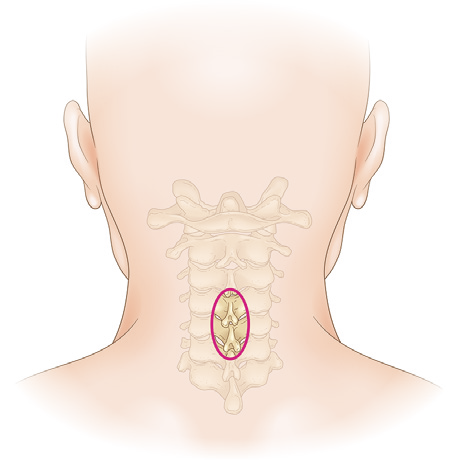
A posterior approach that pinpoints and releases the compression on the spinal cord.
A 3 cm incision, a surgical microscope, and a 3.2 mm high-speed drill.
Every detail is designed to spare muscle and surrounding tissue.
Conventional
Broad exposure of the entire posterior cervical spine. Wide muscular dissection.
10–15cmincision
MIST-OPERA
Pinpoint fenestration at the single offending segment. Muscles and spinous processes preserved.
~3cmincision
Principle
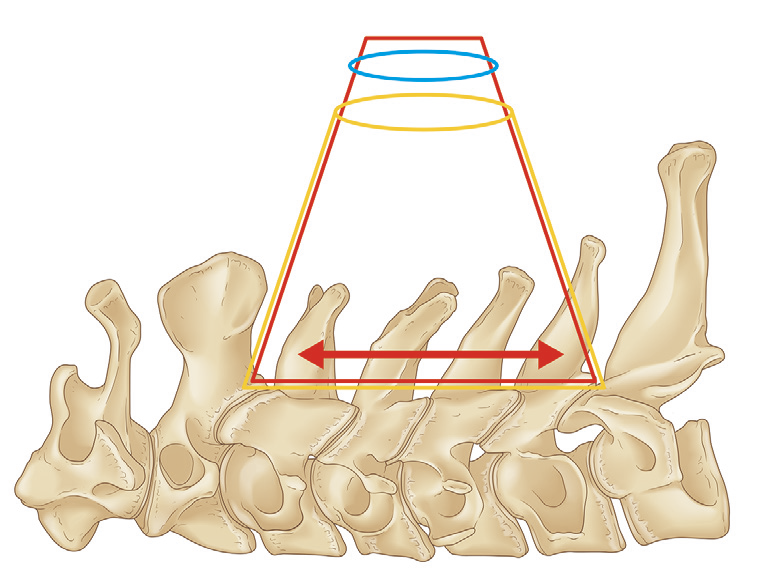
A small entry that opens to the full lamina.
The skin incision is just 3 cm. By varying drill angle through that single entry,
the working area expands at depth to span the full lamina (both lateral facets and the base of the spinous process). "A small entry, a wide working zone" — this is the geometry of MIST-OPERA.
Expanding the working zone
What appears as a point-like opening at the skin becomes a surface that fully covers the lamina at bone level.
A proprietary geometric design that works only when the muscles are not cut and the angle of approach is varied instead.
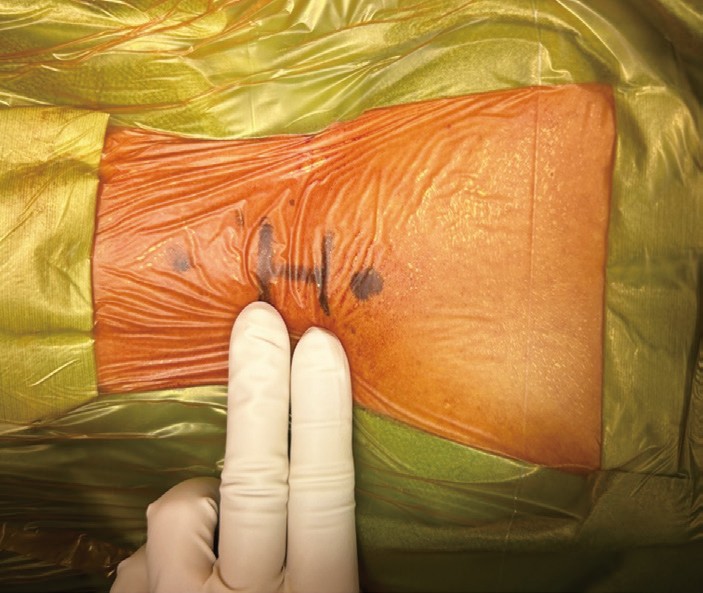
01 / Entry
Skin marking
After prep and drape, the exact intervertebral level is identified by palpation. Two finger-widths — that is the entire entry.
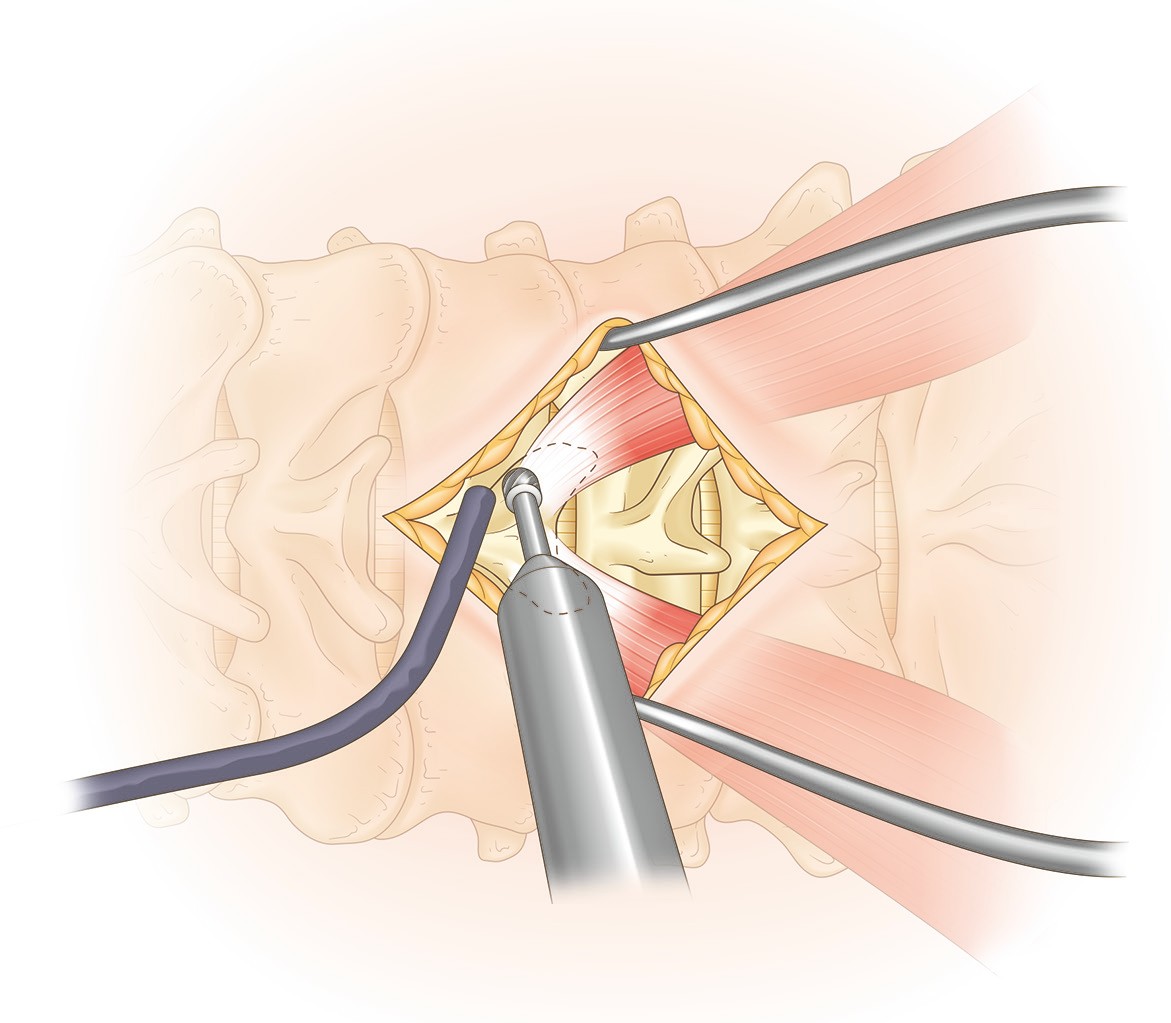
02 / Work
Surgical field, drilling
A custom diamond drill is introduced into the narrow tubular field, gradually thinning the lamina.
03 / Release
Lifting the lamina
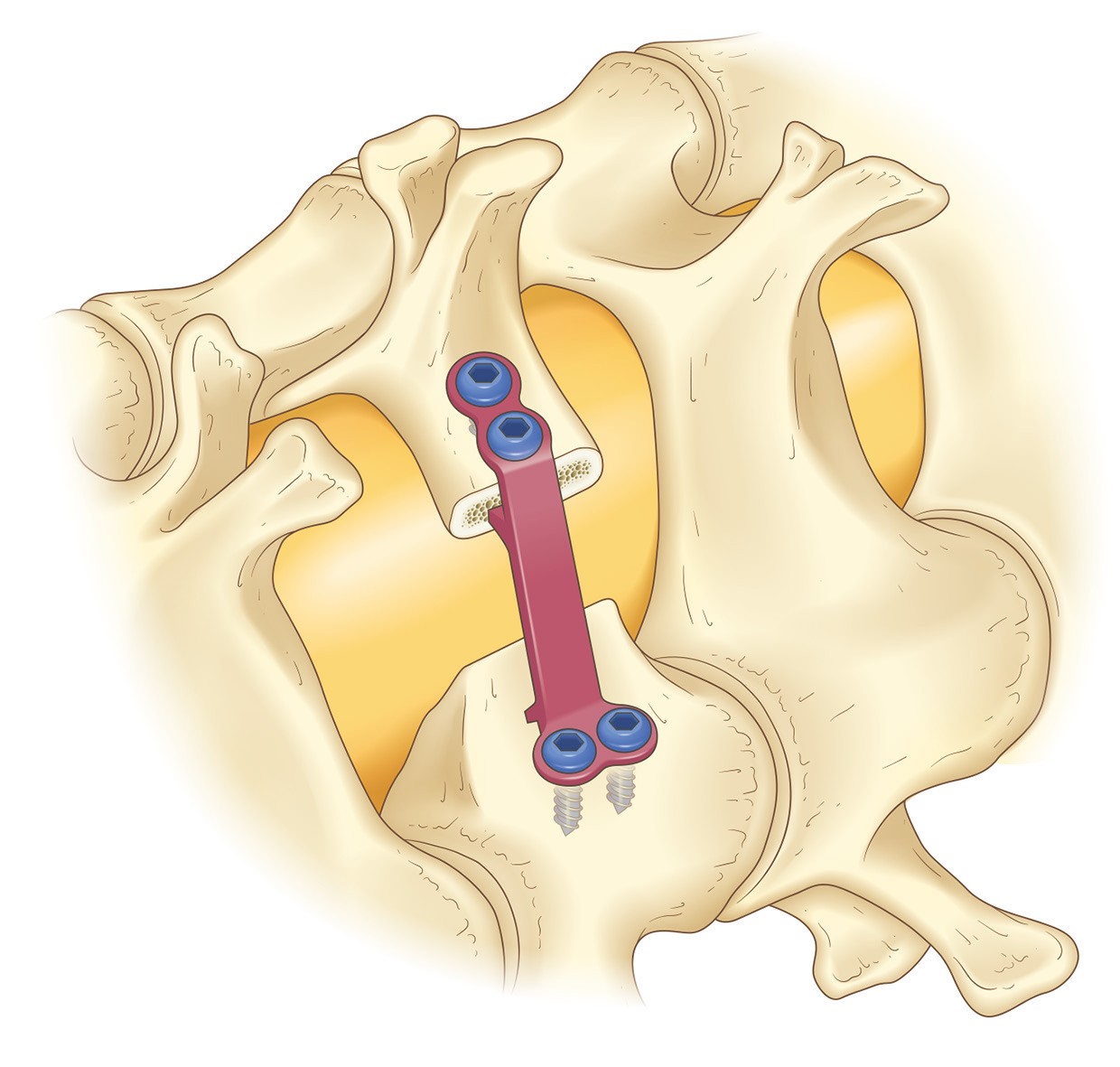
The burred lamina is fixed in the open position with a dedicated plate, giving the previously compressed spinal cord room to breathe.
Conventional
Incision
10–15 cm
Exposure
C2–C7 entire posterior lamina
Operating time
2–3 hours
Blood loss
Several hundred cc
Postoperative bracing
Cast or cervical collar may be required
Rehabilitation
Outpatient rehab often required
VS
MIST-OPERA
Incision
~3 cm
Exposure
Single segment (pinpoint)
Operating time
30–40 minutes
Blood loss
approx. 20 g
Postoperative bracing
Soft collar for 1 week (remove when pain-free)
Rehabilitation
Most patients return without outpatient rehab
※ Indications vary by disease and clinical condition. Where MIST-OPERA is not appropriate,
we select the optimal alternative — anterior decompression and fusion, posterior decompression, artificial disc replacement, or others.
04 / Flow
From first visit to return-to-life — the full picture, up front.
To remove the anxiety of "going to the hospital not knowing what to expect,"
the entire flow from first visit to recovery is laid out chronologically.
01
Before your visit
An MRI from your local orthopedic clinic makes the first visit smoother (it is not required). A referral letter is not necessary; please bring your imaging data on CD/DVD if available.
02
The first visit
Dr. Narita carefully reviews your symptoms and history, and assesses dexterity, grip strength, reflexes, and gait. Additional MRI/CT will be ordered when indicated. By the end of the visit, we discuss whether surgery is needed, which technique, and a likely surgical date.
03
Preparing for surgery
We review all current medications, particularly any blood thinners. Work and family schedules are coordinated. For patients with chronic conditions, we contact the primary physician.
04
Admission & surgery
Admission is the day before surgery. In a typical MIST-OPERA case, the incision is approximately 3 cm, operating time is 30–40 minutes, and blood loss is approximately 20 g. Depending on the wound, a thin drain may be placed postoperatively. The care team aims for mobilization from the day after surgery.
05
During the inpatient stay
Casts are not used. A soft cervical collar is worn for about 1 week, but not continuously — you may remove it whenever you feel no pain. Patients eat, use the bathroom, and bathe on their own. We do not prescribe special physical therapy — "returning to ordinary life" is itself the best rehabilitation.
06
Discharge
From postoperative day 7 onwards. We provide medications, the next outpatient appointment, and detailed lifestyle guidance. For patients living far away, follow-up can be coordinated with a local physician.
07
Return-to-activity guide
Bathing / showering
Immediately after discharge
Driving
About 2 weeks after discharge
Desk work
2–3 weeks postoperatively
Standing work / light tasks
From 1 month postoperatively
Heavy work / manual labor
2–3 months postoperatively
Sports
1–3 months postoperatively
08
Follow-up
Standard outpatient visits are at 1 month, 3 months, and 1 year postoperatively. Numbness typically improves gradually over the first 3–6 months rather than disappearing all at once.
09
A note for family
For 1–2 weeks after discharge, please watch over the patient gently and avoid pushing them. When you notice the small wins (chopsticks easier to hold, walking lighter), say so out loud. Verbal recognition becomes a powerful support during recovery.
10
If you are still hesitating
A consultation is not a commitment to surgery.
Start by understanding "where my cervical spine is right now," through MRI and a specialist examination.
That is more than enough as a first step. Let us widen the menu of options together.
05 / Voices
Voices from patients.
“
The numbness in my left hand had lasted nearly ten years. By the day after surgery, it was almost gone.
Even waking up in the morning felt remarkably different.
”
Man in his 50s / Cervical spondylotic myelopathy
“
I was walking the next day and discharged after a week. I returned to computer work in two weeks,
and after a month I was commuting normally again.
”
Man in his 40s / Cervical disc herniation
“
I came for a second opinion. Reviewing the data together made the explanation feel much more convincing
than anything I had heard before.
”
Woman in her 60s / Ossification of the posterior longitudinal ligament (OPLL)
※ Published with each person's consent and edited so that individuals cannot be identified.
Outcomes vary, and the same results cannot be guaranteed for every patient.
06 / FAQ
Frequently asked questions.
What kind of symptoms should bring me in?
Persistent one-sided arm or hand numbness or pain, difficulty with fine finger motions, unsteadiness when walking,
or stumbling on small steps — particularly when these symptoms have continued for two to three months or more.
Does coming in for a consultation mean I will need surgery?
No. A consultation is not a commitment to surgery. After examination and imaging, we determine "where you stand right now," and decide together
whether to observe, continue conservative care, or proceed with surgery.
Do I need a referral letter? Should I get an MRI in advance?
A referral letter is not required. An MRI from your local orthopedic clinic helps us move discussions forward in the same visit,
but we can perform the necessary imaging on the day if you have not had one.
How long is the hospital stay?
For MIST-OPERA, admission the day before, surgery the next day, discharge from postoperative day 7 onwards — roughly one week or more in total.
Other techniques such as anterior decompression and fusion may differ.
When can I return to work and driving?
As a general guide: desk work in 2–3 weeks, standing work or light tasks from 1 month onward, driving from about 2 weeks after discharge.
We adjust the timing for each patient's situation.
Can I come in just for a second opinion?
Absolutely. Please bring your imaging data (CD/DVD) and any documentation of your course to date if possible.
We do not contradict the plan from another hospital — instead, we treat the visit as a way to broaden your decision-making material with a different specialist's perspective.
Do you accept patients from far away?
Patients come from all over Japan. Postoperative follow-up can also be coordinated with a physician closer to home,
so please do not give up the consultation simply because of distance.
Will the numbness disappear completely?
Numbness typically improves gradually over 3–6 months postoperatively, with individual variation.
The longer the duration of disease before surgery, the higher the chance of residual numbness.
We provide a realistic forecast at the preoperative consultation.
07 / Contact
When in doubt about your neck, start with a conversation — that is enough.
Whether or not surgery is needed cannot be answered without an examination.
"I'm afraid it might mean surgery." "Maybe I'm not at that stage yet." — Precisely at that moment,
it is worth confirming where you stand with an MRI and a specialist consultation.